
On this page
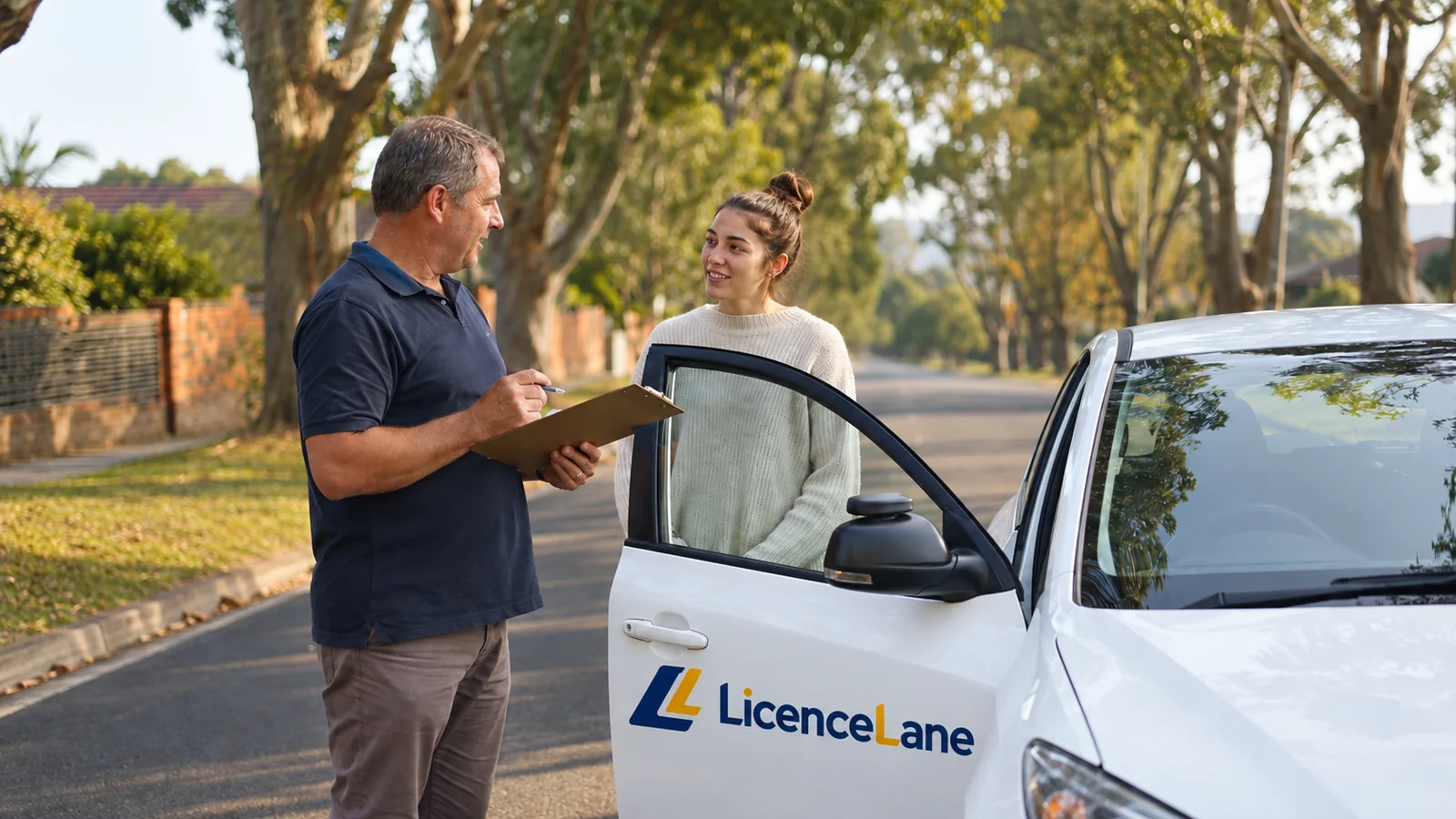
The ACT car-licence pathway begins with a pre-learner course and learner licence, followed by supervised practice, hazard perception and an assessment route. Your age when the learner licence was issued affects important requirements. Understanding those rules helps you organise lessons and avoid confusing ordinary driving hours with assessed competencies.
This guide covers the usual first car licence. Overseas and interstate applicants should check their separate application requirements with Access Canberra before following the novice pathway.
Complete the pre-learner requirements
You can apply for an ACT learner licence from 15 years and nine months. The process includes completing the ACT Pre-Learner Licence Course, passing the ACT Road Rules test and attending an Access Canberra Service Centre with the required identity and residency evidence.
Use the official list of course providers and read the application instructions before paying for a course. Ordinary driving lessons do not automatically include the pre-learner course or replace its certificate. Check what you will receive after completion and what you need to bring to the service centre.
Complete the licence-issue process before driving on the road. Review your learner licence details and conditions, including its expiry. Bring the valid licence and required learning records to lessons, and tell the instructor about previous experience or a licence held elsewhere.
Check your learner period and hours
Access Canberra requires an active learner licence for at least 12 months, or six months if you were 25 or older when it was issued. The licence must not be expired, suspended or disqualified during the period being counted.
For a licence issued before age 25, the ordinary requirement is 100 supervised hours, including 10 at night. For the older-learner category, it is 50 hours, including five at night. The minimum provisional-licence age is 17.
Do not assume turning 25 after issue automatically cuts your requirements in half. Check the category applying to your licence with Access Canberra before changing your plan. A birthday or an earlier interstate permit can make it particularly important to confirm the dates rather than rely on a simple online comparison table.
Practise with an eligible supervisor
ACT learners must have a fully licensed Australian driver in the front passenger seat. That may be an eligible family member, friend or instructor. Check the current learner and supervision conditions before beginning, and use a suitable, registered and roadworthy vehicle.
Agree on the purpose of each drive and how directions will be given. Your supervisor should have time to explain a task before you reach the point where it must be performed. Stop safely for longer discussions instead of allowing instructions to become a distracting argument in traffic.
Keep practice appropriate to your ability. Early sessions can focus on vehicle control and simple intersections. Later sessions can add busier traffic and unfamiliar roads as you become ready. Record genuine practice and have the required entries verified correctly.
Use accredited instructor credits correctly
The ACT allows three hours of credit for each eligible actual hour with an ACT Accredited Driving Instructor, for up to 10 actual instructor hours. This can produce 30 credited hours from 10 hours of tuition. Additional hours are counted normally, and non-accredited instruction does not receive that same credit.
Ask whether the instructor holds the relevant ACT accreditation before relying on bonus hours. Do not assume every instructor listed on a marketplace can provide them. Follow the official logbook instructions for night entries and credits rather than applying a calculation from another state.
Optional approved road-safety courses can also provide credits under their own rules. Check the official course and eligibility information first. An ordinary lesson package should not be treated as an approved course simply because it covers similar driving topics.
Keep driving hours and competencies separate
Supervised hours record your driving experience. Competencies record whether you can demonstrate particular skills to the required standard. The ACT's competency-based assessment route uses both, but one does not automatically replace the other.
Keep your records accurate and available. If you use paper materials, protect them from loss and check signatures while the details are current. Retain certificates for approved courses if you intend to claim credits from them.
Use a separate progress note to plan practice. For example, you might have enough hours overall but still need help with lane selection at an unfamiliar intersection. That is a practical learning need even if the hour total looks complete.
Complete the Hazard Perception Test
Access Canberra says you can complete the online Hazard Perception Test after three months on your learner licence. It remains a requirement whichever ordinary assessment route you choose. Use the official test service and check that your result is recorded.
Prepare by thinking about how situations develop, not just the final moment when action becomes necessary. During supervised drives, discuss what could change around a parked vehicle, an intersection or a queue of traffic, when it is safe to do so.
If you need another attempt, follow the official waiting and payment rules. Keep that task separate from your practical lesson schedule so a missed online step does not hold up an otherwise well-organised application.
Choose an assessment route
The ACT offers Competency Based Training and Assessment through an ACT Accredited Driving Instructor, or a one-off practical assessment with an ACT Government Licence Examiner. The competency route is often called the logbook method and assesses 23 competencies.
Accredited assessment is a specific service. Ask the provider whether a quoted lesson includes ordinary tuition, competency assessment or both. Access Canberra states that the logbook route requires at least seven lessons; completion also depends on meeting the required standard and other licensing conditions.
If you choose a government assessment, arrange the official appointment and any private preparation or vehicle support separately. An available lesson does not reserve a government examiner. Read the vehicle and document requirements before committing to the date.
Make lessons part of a realistic plan
Choose lessons that address your needs, whether that means starting with basic control, practising in traffic or preparing to drive with less coaching. Tell your instructor what you can practise between sessions and ask for priorities to share with your supervisor.
Think about automatic or manual driving before assessment. An automatic ACT assessment ordinarily leads to an automatic condition on the provisional licence. Check the current rules and any process for changing the condition before deciding which vehicle to use.
LicenceLane helps you compare independent car instructors and book available ACT lessons. Check the instructor's particular accreditation and the service listing before expecting competency sign-off or bonus-hour eligibility. Government testing, accredited assessments and licence issue remain subject to the relevant official processes and cannot be guaranteed by a lesson booking.
Official sources
Official pages checked on . The authority's page prevails over this guide.