
On this page
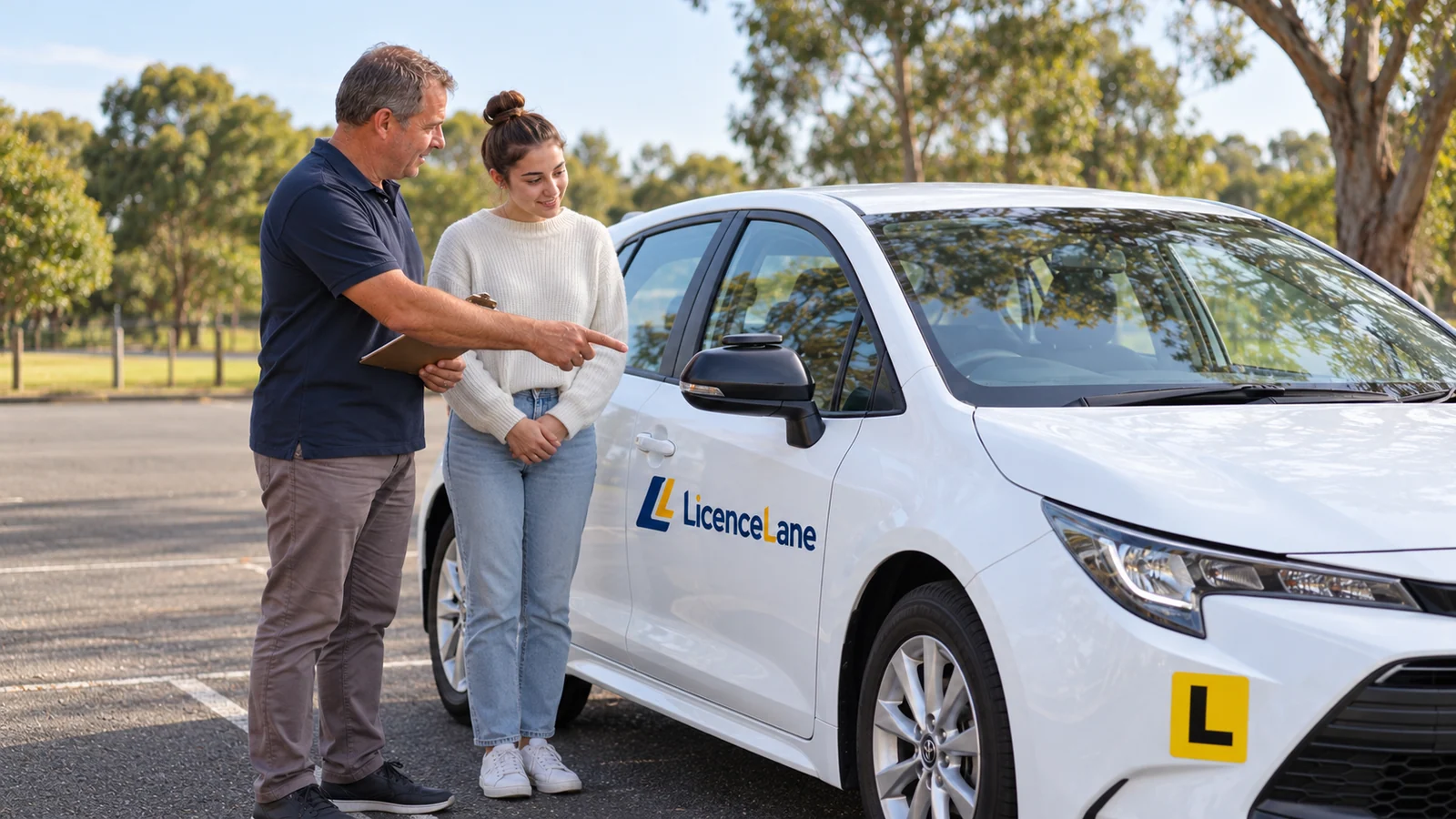
Tasmania's current novice car-licence pathway starts with learning the road rules and obtaining a learner licence, followed by supervised practice and a P1 driving assessment. Plates Plus provides official learning resources and information about the stages. Understanding the requirements early helps you plan lessons and practice without confusing Tasmania's rules with those of another state.
This guide covers the current ordinary novice pathway. Older L1 or L2 records, overseas licences and other special circumstances may follow different requirements, so confirm those situations with Transport Tasmania or Service Tasmania.
Start with the knowledge test and licence application
Tasmania allows the learner knowledge-test stage to begin from 15 years and 11 months, but you must be 16 to be issued a learner licence. Use the official Plates Plus and Service Tasmania information to choose the relevant course and testing arrangements.
Work through the road rules carefully, especially topics you have not encountered as a passenger. Practice questions can show where you need more study, but the aim is to understand how to apply the rules on the road. Ask about available language or accessibility assistance if you need it.
Complete the application and have the learner licence issued before starting road practice. Check the details and any conditions when it arrives, or on the temporary authority provided. Bring your valid licence to lessons and use any corrective lenses required for driving.
Plan for the current novice requirements
Under the ordinary current pathway, you must hold your learner licence for at least 12 continuous months and complete 80 supervised-driving hours, including 15 at night. You must be at least 17 for the P1 practical assessment and meet the applicable Hazard Perception Test requirement.
Do not assume that an age-based logbook exemption from another state applies in Tasmania. An adult beginner should check the Tasmanian novice requirements rather than borrowing the rules used by a friend interstate.
The minimum period and hours do not guarantee readiness. If you are still relying on frequent instructions for ordinary traffic decisions, allow further practice. If you have older L1 or L2 records, ask the authority how those records fit the current pathway before estimating an assessment date.
Arrange an eligible supervisory driver
Transport Tasmania says a novice car supervisor must hold a full Australian car licence, other than a restricted licence, and have held it continuously for the previous 12 months. The supervisor must provide driving instruction while you drive.
Check the supervisor's eligibility before beginning. Agree on the route, the skills to practise and how instructions will be given. A suitable supervisor should be able to explain tasks clearly and give you time to respond safely.
Use a registered, roadworthy car with the owner's permission. Check seating, mirrors and access to the controls before each drive. If a family car differs from the instructor's vehicle, allow time to become familiar with its size and response rather than assuming everything will feel the same.
Keep the logbook accurate and useful
Follow the official Tasmanian logbook instructions, including the Plates Plus logbook app where you use it. Record the actual driving and complete the required supervisor verification. Check totals regularly and resolve missing entries while the details are easy to confirm.
Night driving forms part of the required 80 hours. A learner with 80 total hours but only 10 at night still needs to satisfy the ordinary night requirement. Plan suitable supervised evening practice gradually, when you and the supervisor consider it appropriate.
Keep short notes about skills as well as time. For example, record whether you needed help positioning for a turn or identifying a changing speed limit. Those notes help an instructor tailor the next lesson and make the practice between lessons more purposeful.
Follow the learner conditions
Current novice learners must be supervised, display L plates, have zero blood alcohol concentration and carry their licence. They must not exceed 90 km/h, even where a higher speed limit applies, and must obey lower posted limits. Learners must not tow another vehicle or use a mobile phone.
Read the complete official conditions before driving and check any individual licence restrictions. Plan directions before leaving and let your supervisor assist with navigation. If you need a detailed discussion or feel overwhelmed, stop somewhere safe and lawful before continuing it.
Choose routes that suit your current ability. A scenic or familiar road as a passenger may still involve demanding bends, changing surfaces or limited sight distance for a new driver. Build those skills with supervision rather than using a long journey as your first exposure to several difficult tasks.
Choose professional lessons for your needs
A paid instructor needs the appropriate Tasmanian authority for driving instruction. Ask about their transmission, service area, availability and teaching approach. Explain your existing practice, confidence and access to a suitable vehicle between lessons.
An early assessment of your skills can help decide what to work on first. You might need basic control practice, more observation at intersections or help applying the road rules consistently. Ask for feedback you can share with your supervisor so the next practice sessions reinforce the same approach.
Choose automatic or manual training according to the entitlement and vehicle you need. The transmission used for the P1 assessment affects the vehicles you may drive afterwards. Check the current conditions before booking a test in a transmission different from your intended everyday car.
Prepare for hazard perception and assessment
Complete the Hazard Perception Test when eligible and follow the official requirements before booking the practical assessment. Use the government practice resources and discuss real examples during lessons. Recognising developing situations early should become part of your ordinary driving, not just preparation for an online test.
Before assessment, review your ability to drive without coaching. Ask the instructor which tasks remain inconsistent and plan further practice where necessary. Knowing the route to an assessment location does not establish that you can handle unfamiliar directions safely.
Check the logbook declaration, licence period and required documents before selecting a date. A private lesson booking does not reserve an assessment appointment or confirm government eligibility.
Choose the correct P1 assessment arrangement
Tasmania offers government P1 assessments and assessments with authorised private P1 assessors. Ordinary driving-instructor authority does not automatically include P1 assessment authority. Check the provider and the applicable separation between instruction and assessment before booking a private assessment.
If you use a government assessment, arrange any preparation lesson and test vehicle separately. Confirm that the car meets the assessment requirements and that the instructor's availability covers the travel and appointment. Read the inclusions and fees rather than assuming all services are bundled together.
LicenceLane helps you compare independent car instructors and book available Tasmanian lessons. Where listed and available, private support can help you prepare for a separately booked government assessment. The authorised assessor conducts the assessment, and the licensing authority determines the issue and conditions of your licence.
Official sources
Official pages checked on . The authority's page prevails over this guide.